Abstract: For RV enthusiasts, having a reliable solar power system is key to enjoying off-grid adventures. RV solar mounting systems provide a secure and efficient way to install solar panels on your vehicle, maximizing energy output and durability. This article guides you through the types, installation methods, advantages, and maintenance tips for RV solar mounting solutions, helping you make informed decisions for your mobile lifestyle.
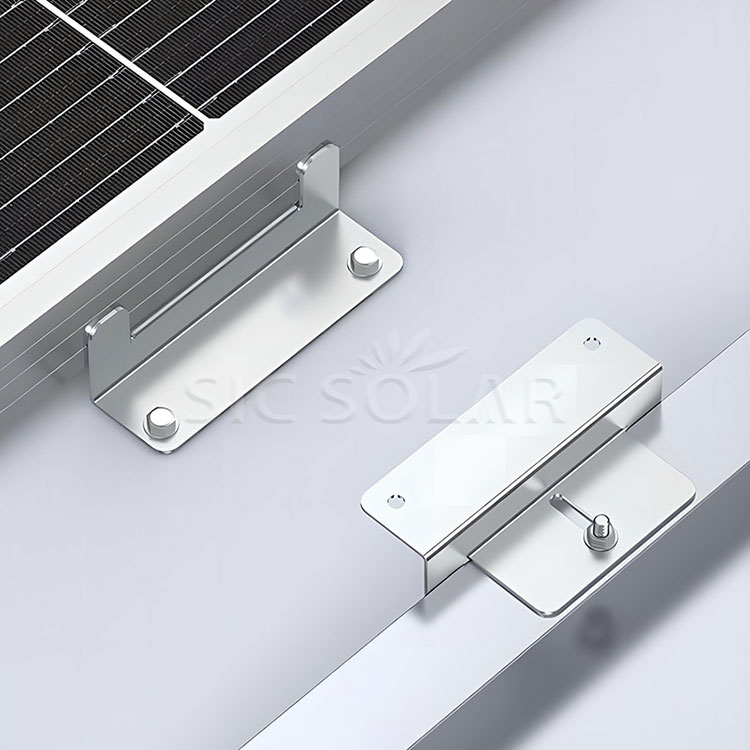
Table of Contents
- What is RV Solar Mounting?
- Types of RV Solar Mounting Systems
- Installation Guide for RV Solar Mounts
- Advantages of Using RV Solar Mounts
- Maintenance Tips
- FAQ
What is RV Solar Mounting?
RV solar mounting refers to the hardware and framework used to securely attach solar panels to recreational vehicles. These mounts ensure that panels remain stable during travel, exposure to wind, and other weather conditions. A properly mounted solar system maximizes energy collection and prolongs the lifespan of your panels.
- Supports flat, angled, or adjustable panel configurations
- Helps distribute weight evenly across the RV roof
- Facilitates safe wiring and panel access for maintenance
Types of RV Solar Mounting Systems
There are several mounting options available, each suited for different RV setups and user needs. Here’s a breakdown:
| Mount Type | Description | Best Use |
|---|---|---|
| Fixed Mount | Panels are permanently fixed at a set angle | Simple setups, minimal adjustments |
| Tiltable Mount | Panels can be angled towards the sun for better efficiency | Maximizing energy output during stationary use |
| Rail Mount | Panels are attached to rails on the roof for secure positioning | Larger RVs or heavier panels |
| Magnetic or Portable Mount | Panels can be easily installed or removed | Temporary setups, flexible positioning |
Installation Guide for RV Solar Mounts
Installing RV solar mounts requires careful planning and attention to safety. Follow these key steps:
- Choose the right location: Ensure the roof is flat, strong, and free of obstructions like vents or antennas.
- Select the appropriate mounting system: Based on panel size, weight, and desired adjustability.
- Mark and drill mounting points: Use waterproof seals to prevent leaks.
- Secure the mounts: Tighten bolts and brackets according to manufacturer instructions, ensuring stability.
- Attach solar panels: Carefully mount each panel and connect wiring to the charge controller.
- Test the system: Verify that panels are charging correctly and check for vibrations or loose components.
Professional installation is recommended if you are unsure about handling electrical components or roof penetrations.
Advantages of Using RV Solar Mounts
Investing in a quality RV solar mounting system brings multiple benefits:
- Enhanced Durability: Prevents panel damage during travel.
- Improved Energy Efficiency: Adjustable mounts allow for optimal sun exposure.
- Ease of Maintenance: Secure mounts make cleaning and servicing panels simpler.
- Safety: Reduces risk of panels shifting or falling while driving.
- Value Addition: Increases RV resale value by providing a professional solar setup.
Maintenance Tips
To prolong the life of your RV solar mounting system, consider these maintenance practices:
- Regularly inspect mounts for loose screws or corrosion
- Clean panels with a soft brush and mild soap
- Check wiring and connectors for wear or damage
- Adjust panel angles seasonally for optimal sunlight
- Apply protective coatings to metal mounts to prevent rust
FAQ
Q1: Can I install RV solar mounts myself?
A: Yes, DIY installation is possible if you have basic tools and follow safety guidelines. However, professional installation is recommended for complex systems or larger RVs.
Q2: How much weight can RV solar mounts support?
A: Weight limits vary by mount type. Rail mounts generally support heavier panels, while portable mounts are lighter and less load-bearing. Always check manufacturer specifications.
Q3: Are tiltable mounts worth the investment?
A: Tiltable mounts can significantly increase energy production by allowing panels to face the sun directly, especially during off-season months.
Q4: How do I prevent leaks from roof-mounted panels?
A: Proper sealing at all drilled points, using waterproof gaskets and high-quality sealants, is crucial to avoid leaks.
Discover reliable and durable RV solar mounting solutions with SIC. Upgrade your RV power system today and enjoy off-grid adventures with confidence. Contact us to learn more!