As energy costs continue to rise and sustainability becomes a top priority for businesses and homeowners, solar technology has become one of the most reliable solutions for reducing electricity bills and environmental impact. Among the many solar installation options available today, flat roof solar panels have gained tremendous popularity due to their flexibility, efficiency, and space optimization. Unlike traditional pitched-roof installations, flat roof systems allow adjustable mounting angles, easier maintenance access, and scalable energy production.
However, many building owners still face important questions: Are flat roofs suitable for solar panels? What mounting systems are required? How efficient are they compared with sloped roof installations? And how can businesses ensure long-term durability and safety?
This comprehensive guide explores everything you need to know about flat roof solar panels—from installation principles and advantages to system design considerations and cost-saving benefits. With advanced solar solutions provided by Xiamen Sic New Energy Co., Ltd., modern buildings can fully utilize unused rooftop space and transform it into a powerful renewable energy generator.
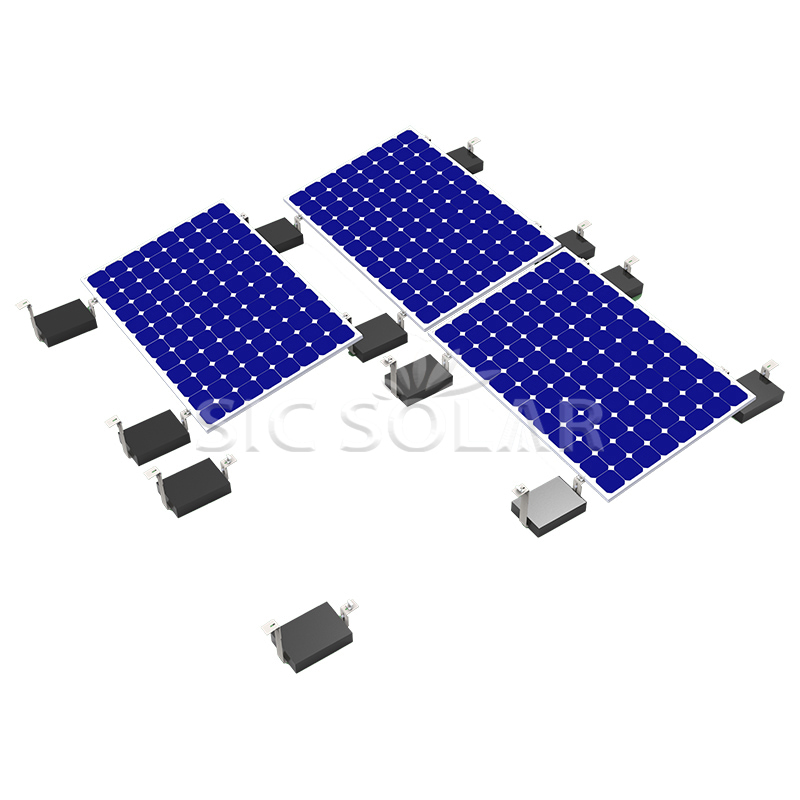
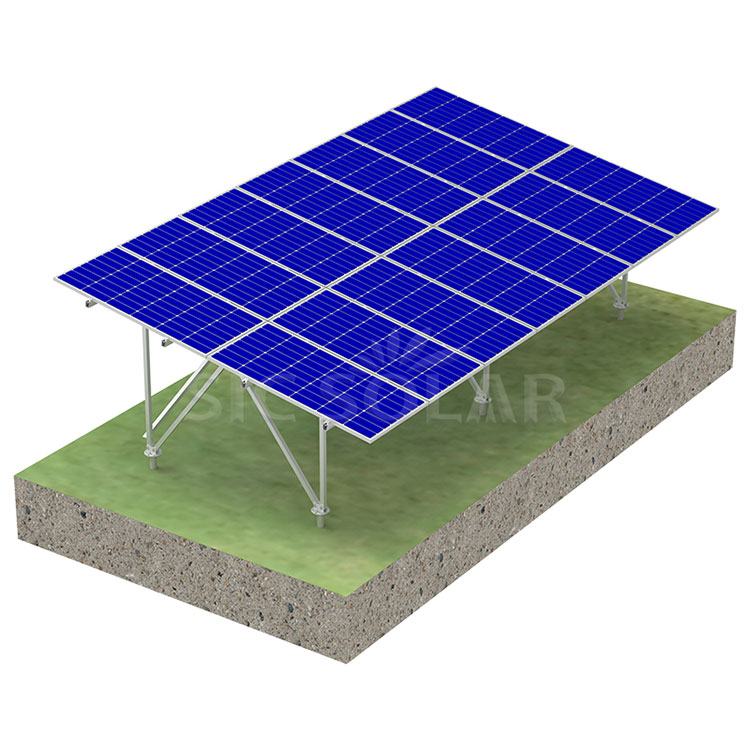
Flat roof solar panels refer to photovoltaic systems installed on rooftops that have minimal slope. Instead of being mounted directly parallel to the roof surface, the panels are placed on specially designed mounting structures that tilt them toward the sun to maximize solar exposure.
These systems are widely used in commercial buildings, warehouses, factories, shopping malls, and modern residential homes. Because flat roofs offer open space without slope restrictions, installers can position solar panels at the optimal angle and orientation for maximum power generation.
Companies such as Xiamen Sic New Energy Co., Ltd. specialize in designing durable solar mounting structures that allow solar modules to operate efficiently even on large industrial rooftops.
The increasing adoption of flat roof solar systems is driven by both economic and environmental factors. Businesses and homeowners are looking for ways to reduce electricity costs while achieving energy independence.
With engineered mounting solutions from Xiamen Sic New Energy Co., Ltd., flat roof solar installations can be optimized for durability, wind resistance, and long-term performance.
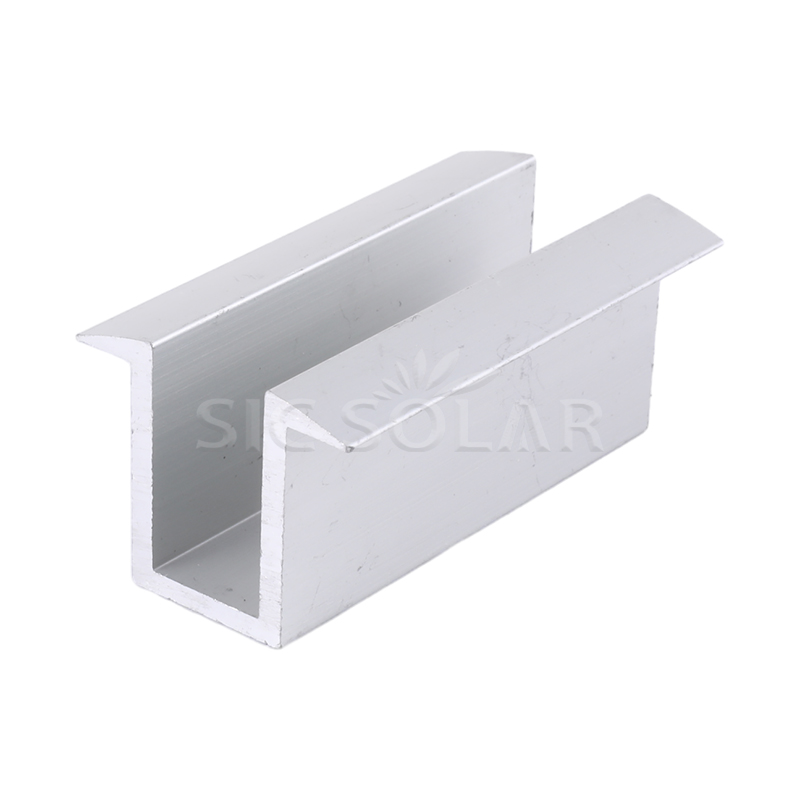
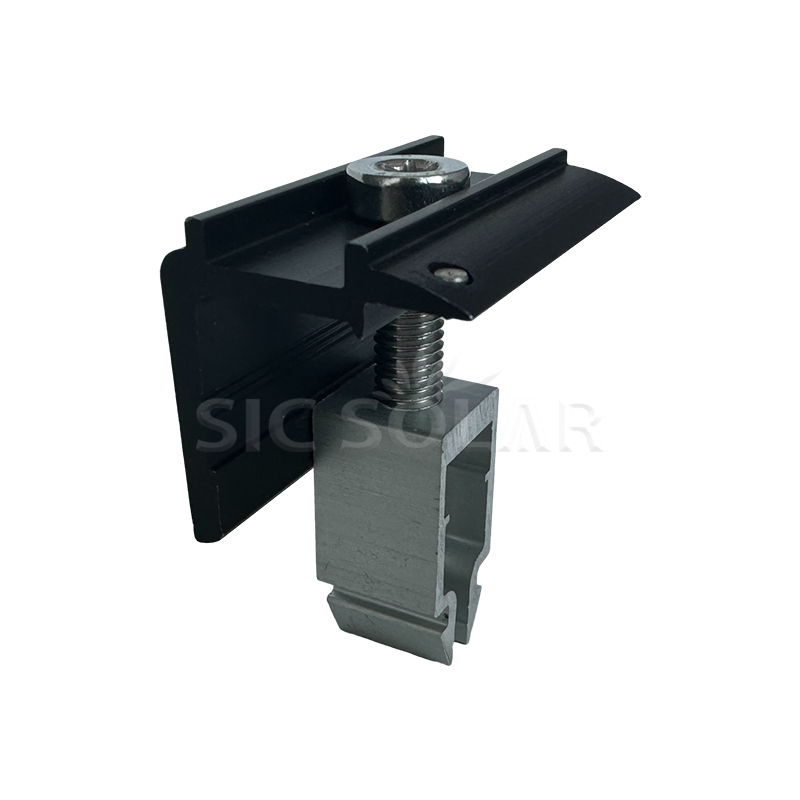
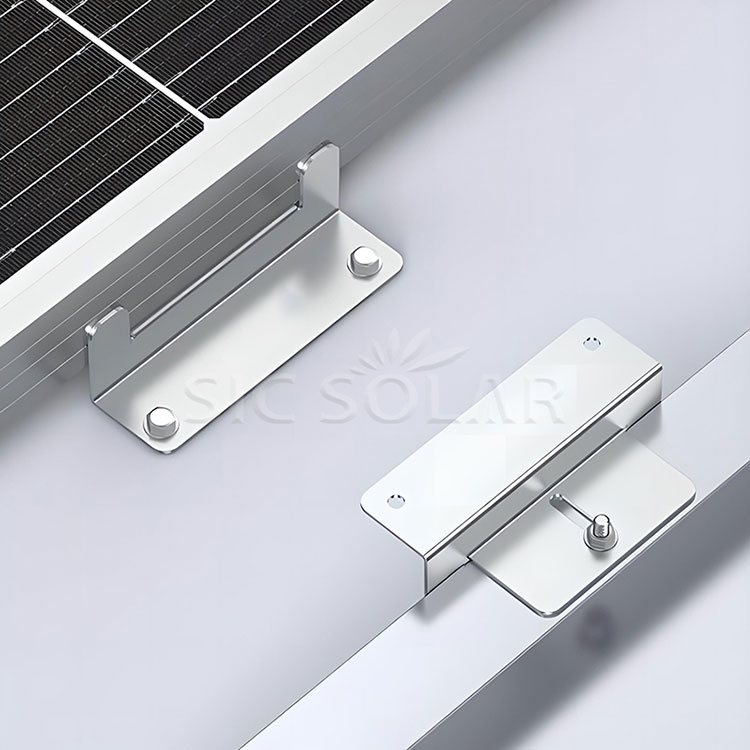
Flat roof solar panels rely on mounting systems that elevate and tilt the solar modules. These systems create an angle that allows panels to face the sun properly while ensuring the roof structure remains protected.
A typical system includes:
The mounting structures provided by Xiamen Sic New Energy Co., Ltd. are designed with corrosion-resistant materials such as aluminum alloy and stainless steel, ensuring stability and long-term reliability.
There are several mounting systems designed specifically for flat roof installations.
| Mounting Type | Description | Best Application |
|---|---|---|
| Ballasted System | Uses weight blocks to hold the system in place without roof penetration | Commercial buildings |
| Fixed Tilt System | Panels mounted at a fixed angle using brackets | Residential and small commercial roofs |
| Adjustable Tilt System | Allows seasonal angle adjustments for better efficiency | High-performance installations |
| Hybrid Anchored System | Combines mechanical anchoring and ballast for stability | Wind-prone areas |
Advanced mounting technologies developed by Xiamen Sic New Energy Co., Ltd. ensure compatibility with different roofing materials such as concrete, membrane, or metal roofs.
| Feature | Flat Roof System | Pitched Roof System |
|---|---|---|
| Installation Flexibility | High | Limited by roof slope |
| Panel Orientation | Adjustable | Fixed with roof angle |
| Maintenance Access | Easy | More difficult |
| Space Optimization | Excellent | Moderate |
Because of these advantages, flat roof installations are often preferred for large commercial buildings and factories.
Designing a reliable solar system on a flat roof requires careful planning.
Solar engineering teams at Xiamen Sic New Energy Co., Ltd. conduct detailed structural analysis and design optimized mounting systems that ensure both safety and maximum power generation.
Professional installation ensures the solar system operates safely and efficiently for decades.
Despite their benefits, flat roof solar systems may face several challenges.
| Challenge | Solution |
|---|---|
| Wind uplift risk | Use aerodynamic mounting systems |
| Roof load limitations | Use lightweight aluminum mounting structures |
| Water drainage blockage | Maintain clear roof drainage pathways |
| Panel shading | Optimize row spacing |
Solutions provided by Xiamen Sic New Energy Co., Ltd. are specifically engineered to address these issues and ensure reliable performance.
Solar installations represent a long-term investment that provides significant financial benefits.
Most commercial solar systems achieve full return on investment within 5 to 8 years depending on energy consumption and system size.
Flat roof solar panels require minimal maintenance. Regular inspection and cleaning ensure optimal performance.
With high-quality mounting solutions from Xiamen Sic New Energy Co., Ltd., solar installations can last over 25 years while maintaining excellent structural stability.
Choosing the right mounting system is essential for safety, durability, and energy efficiency. Poorly designed systems can lead to structural damage, energy loss, and costly repairs.
Xiamen Sic New Energy Co., Ltd. offers advanced solar mounting systems designed for flat roof applications worldwide. Their products are engineered with precision, tested for extreme weather conditions, and compatible with most photovoltaic modules on the market.
Flat roof solar panels are an efficient and practical solution for modern buildings seeking clean and sustainable energy. Their flexible design, scalability, and cost-saving benefits make them an excellent investment for commercial and residential properties alike.
With high-quality mounting structures and professional engineering support from Xiamen Sic New Energy Co., Ltd., building owners can transform unused rooftop space into a powerful renewable energy source that delivers long-term financial and environmental benefits.
1. Are flat roofs good for solar panels?
Yes. Flat roofs provide excellent flexibility for solar panel placement because mounting systems can adjust the tilt angle for optimal sunlight exposure.
2. Do flat roof solar panels require roof penetration?
Not always. Ballasted systems can hold solar panels in place without penetrating the roof surface.
3. How long do flat roof solar installations last?
Most solar systems last 25–30 years when properly installed and maintained.
4. Are flat roof solar panels more expensive?
Installation costs may be slightly higher due to mounting structures, but improved efficiency and scalability often compensate for the difference.
5. Can solar panels damage a flat roof?
When installed using professional mounting systems like those from Xiamen Sic New Energy Co., Ltd., solar panels actually help protect the roof from weather exposure.
If you are planning to install flat roof solar panels for your commercial or residential building, choosing the right mounting system is essential for safety and long-term energy performance.
Xiamen Sic New Energy Co., Ltd. provides professional solar mounting solutions designed for durability, efficiency, and global applications. Our experienced engineering team is ready to help you design the perfect solar system for your project.
Contact us today to get expert support and customized solar mounting solutions for your next project.