Solar roof tiles represent a modern evolution in renewable energy integration, combining roofing materials with photovoltaic functionality. Unlike traditional solar panels mounted above existing roofs, solar roof tiles are designed to replace conventional roofing materials entirely while generating electricity. This article explains how they work, their advantages, installation process, cost structure, and key considerations for homeowners and businesses. It also addresses common concerns and provides practical insights for decision-making.
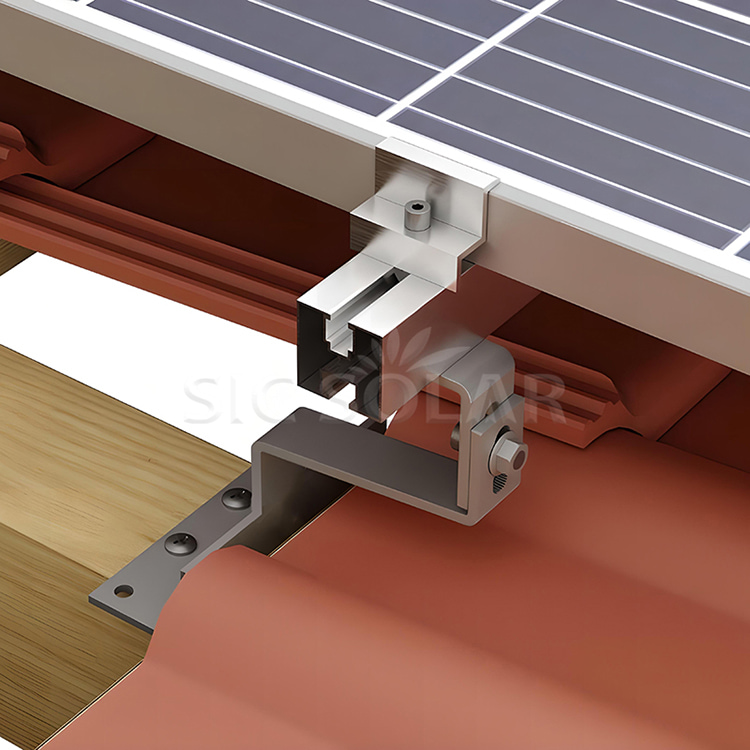
The global demand for clean and sustainable energy has accelerated innovation in building-integrated photovoltaics. Among the most promising developments are solar roof tiles, which seamlessly merge architecture with energy generation. Instead of mounting bulky panels on rooftops, these tiles become part of the roof itself, offering a streamlined aesthetic and functional energy solution for residential, commercial, and industrial buildings.
Homeowners often struggle with limited roof space, aesthetic concerns, and structural limitations when considering traditional solar systems. Solar roof tiles address these issues by transforming the entire roof into an active energy-producing surface.
Solar roof tiles are advanced roofing materials embedded with photovoltaic (PV) cells. Each tile functions as a mini solar module capable of converting sunlight into electricity. When installed together, they form a continuous energy-generating surface while serving as a weatherproof roofing system.
A leading example of advanced solar mounting and integration solutions can be found at Xiamen Sic New Energy Co., Ltd. solar roof tile solutions, which focus on durable and efficient photovoltaic roofing systems.
Solar roof tiles operate on the same photovoltaic principle as traditional solar panels, but their integration is fundamentally different. Each tile contains semiconductor materials that generate direct current (DC) electricity when exposed to sunlight.
Step-by-step mechanism:
Unlike conventional panels, solar roof tiles distribute energy generation across the entire roof surface, improving visual integration and structural harmony.
Solar roof tiles offer multiple advantages beyond energy production. They are designed for long-term integration with modern architecture and energy systems.
For companies like Xiamen Sic New Energy Co., Ltd., these advantages are central to developing integrated solar solutions that meet modern construction standards.
| Feature | Solar Roof Tiles | Traditional Solar Panels |
|---|---|---|
| Appearance | Fully integrated into roof design | Visible mounted structure |
| Installation | Requires full roof integration | Mounted on existing roof |
| Durability | High, acts as roofing material | High, but separate from roof |
| Cost | Higher initial investment | Lower installation cost |
| Efficiency | Moderate to high (depends on design) | High efficiency modules available |
Installing solar roof tiles is a more integrated process compared to traditional solar panel mounting. It typically requires professional assessment and roofing redesign.
This process ensures that the roof functions as both a protective structure and an energy generator.
The cost of solar roof tiles is influenced by materials, installation complexity, roof size, and system capacity. While the upfront investment is generally higher than traditional solar panels, the long-term value includes roofing replacement savings and energy bill reductions.
Main cost factors include:
Many homeowners view solar roof tiles as a long-term infrastructure investment rather than a short-term upgrade.
Solar roof tiles are designed for long service life with minimal maintenance requirements. Since they function as roofing material, they are built to withstand environmental exposure.
High-quality systems provided by manufacturers such as Xiamen Sic New Energy Co., Ltd. emphasize durability, corrosion resistance, and long-term energy stability.
Q1: Do solar roof tiles work in cloudy weather?
Yes. While output decreases under low sunlight, they still generate electricity from diffuse solar radiation.
Q2: Are solar roof tiles better than solar panels?
They are not universally “better,” but they offer superior aesthetics and integrated roofing functionality.
Q3: How long do solar roof tiles last?
Most systems are designed to last 25–30 years depending on material quality and environmental conditions.
Q4: Can I install them on an existing roof?
In many cases, partial or full roof replacement is required for proper integration.
Q5: Are they suitable for commercial buildings?
Yes, they are increasingly used in commercial and industrial projects for sustainable building design.
Solar roof tiles represent a significant step forward in building-integrated renewable energy systems. By combining structural roofing with photovoltaic technology, they offer a unified solution for aesthetics, functionality, and sustainability. Although initial investment costs are higher, the long-term benefits in energy savings and architectural integration make them an attractive option for modern construction projects.
For advanced and reliable solar roof tile solutions, Xiamen Sic New Energy Co., Ltd. provides professional-grade systems designed for efficiency, durability, and seamless installation.
If you are considering upgrading your building with integrated solar roofing technology, contact us today to discuss tailored solutions for your project needs.